
Zen Experience
A Space for Body and Mind
The Zen lifestyle is not an abstract slogan but an experiential way of living. In the Garden of Silence, we offer open Zen experience projects to the public, allowing anyone interested to approach mindfulness and feel the power of silence. These experiences require no prior knowledge and are suitable for everyone. Here you can drink a cup of Zen tea, copy sutras, enjoy a silent vegetarian meal, meditate together, or practice mindful Baduanjin. Each experience is a journey to yourself.
Open experience projects include:
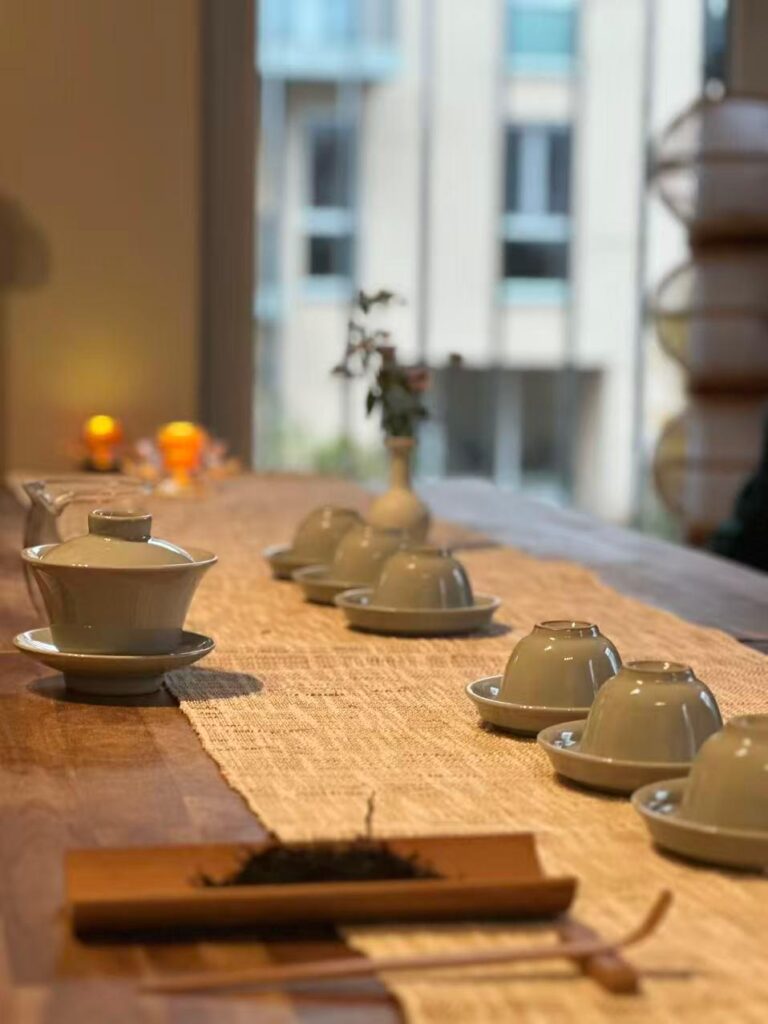
Zen Tea of Peace
Tea is not only a material good but also carries traditional culture, especially the essence of Zen culture, and can be elevated to a diverse spiritual life. In Chinese history, there were countless connections between tea and Zen Buddhism, which later spread to Japan and formed the tea ceremony there. Developing tea activities through the wisdom of Zen can lead people to awakening.
Zen is nothing mysterious or extraordinary and is not separate from present life. The words of the ancients: “Walking is Zen, sitting is Zen, in speech and silence, in movement and stillness, the body is at peace”; “When hungry, eat; when tired, sleep”; “Carrying wood and drawing water, all are opportunities for Zen”; “Every green bamboo is nothing but wisdom, every lush flower is the true reality” – all this shows us that the wisdom of Zen is omnipresent. Integrating the wisdom of Zen into tea culture and combining tea drinking with Zen practice is “Zen and tea are one”.
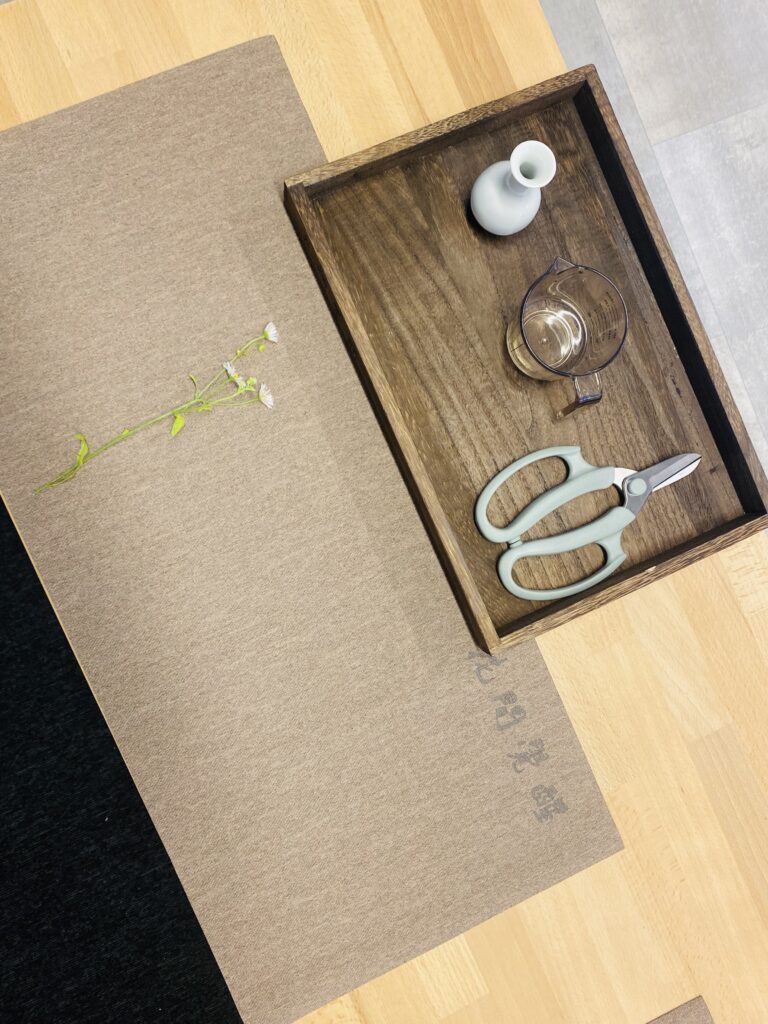
Mindful Flower Arranging
Arranging flowers with the wisdom of Zen – seeing flowers, seeing plants, seeing yourself.
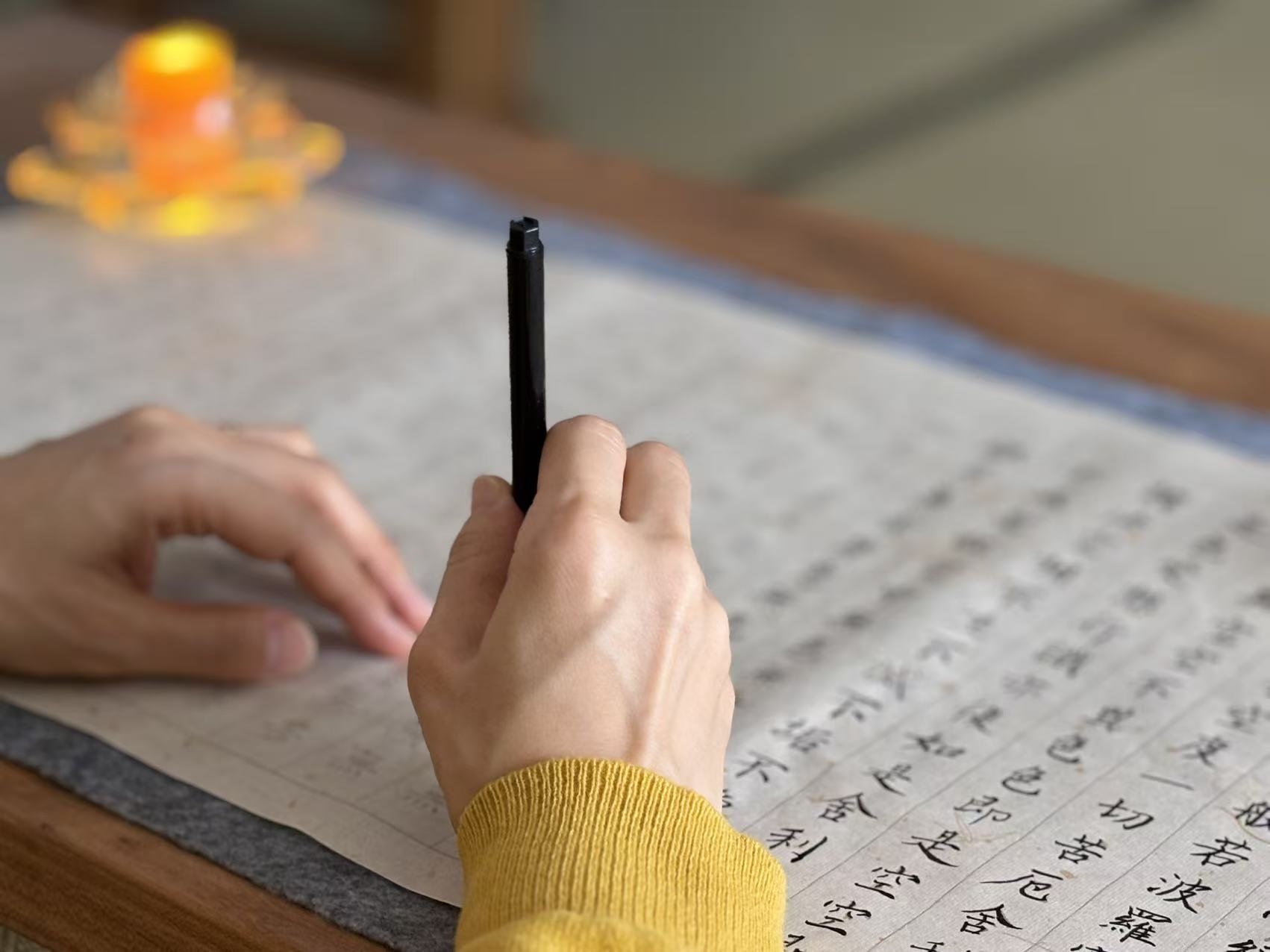
Silent Sutra Copying
Stroke by stroke, calming the mind through movement. In each stroke, bring the mind back to the present moment, fully experiencing the silence and beauty of the moment. When we focus on writing here and now, we can still wandering thoughts, cultivate concentration and mindfulness, and open up the wisdom of Zen.
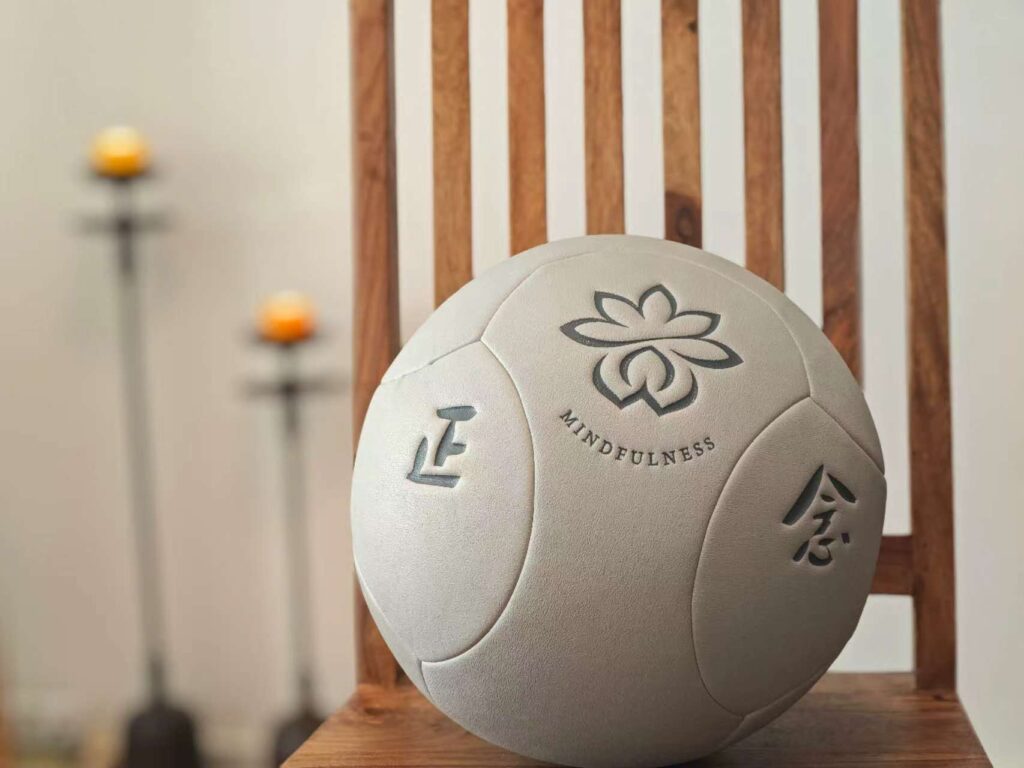
Tai Chi Mindfulness Ball
Health of body and mind is the greatest wealth in life; caring for body and mind is the best investment in life. Practicing mindfulness in Tai Chi movement. The mindfulness ball causes no sports injuries; with some foundation and after overcoming blockages, the body moves as if by itself, and the more you turn it, the easier it becomes. Easy to learn, after three or four days you master the basics – beneficial for health. The key to physical health lies in the unobstructed flow of Qi and blood. Turning the ball can move the whole body to promote the flow of Qi and blood.
The mind follows the hand, the hand follows the ball, the ball follows the body, the body follows emptiness. In this process, the ball serves as an anchor point on which the mind focuses – from the hand turning the ball, to the whole body turning the ball, to the ball guiding the body movement – thus deepening step by step. Bringing mindfulness into turning the ball trains concentration and mindfulness while simultaneously performing a mindfulness exercise. When we strengthen mindfulness through practicing with the ball, we can carry it further into daily life, into walking, standing, sitting, and lying down, experiencing Zen in life.
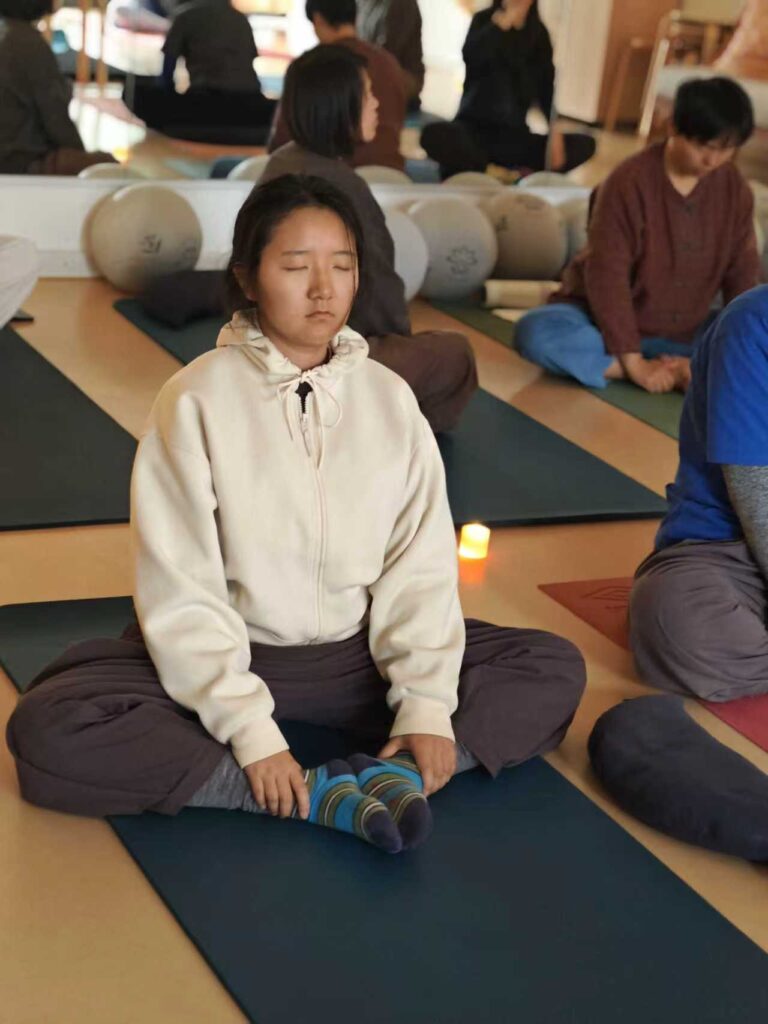
Hu Qi Pan Ba
The mindfulness practice we promote aims for liberation, therefore it is necessary to establish a solid meditation foundation. To help everyone achieve good meditation results, the Eight Forms of Mindful Sitting Meditation and the Seven Forms of Mindful Breathing were developed. These practices are not simply sitting and breathing, but they train sitting and regulate breathing with mindfulness. This process is authentic meditation. Training in mindful sitting meditation helps us establish the correct posture, the so-called Seven-Point Posture.
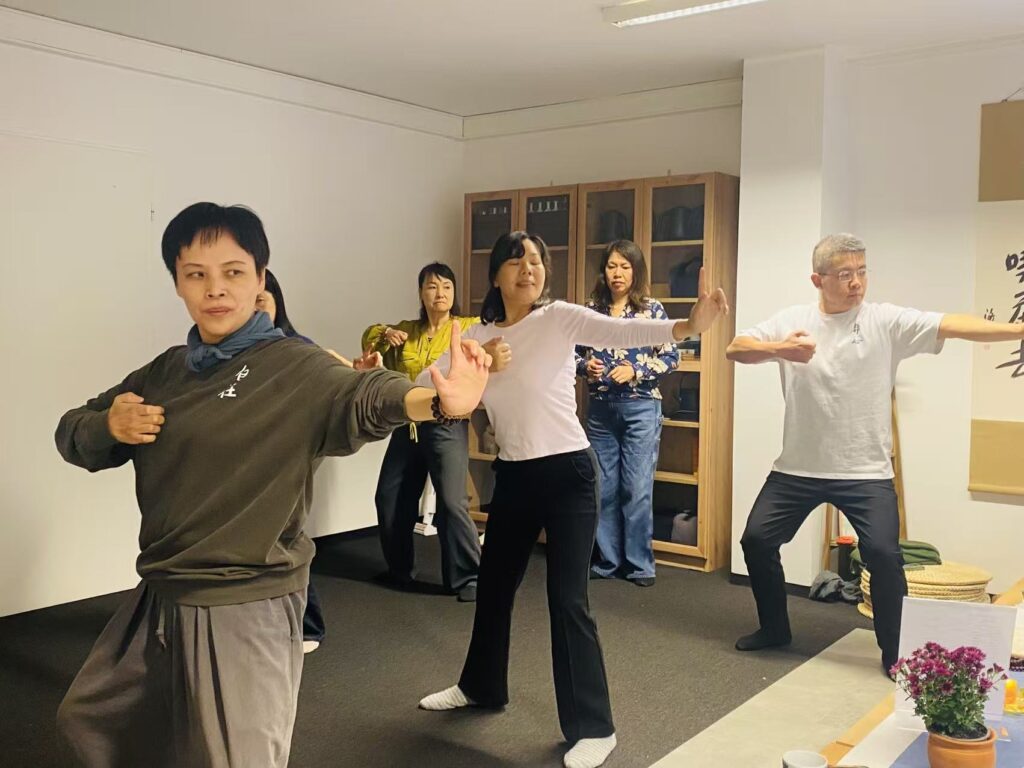
Baduanjin
Bringing mindfulness into daily life makes life a meditation. Baduanjin is not only a simple, easy-to-learn traditional health method, but also a meditation in motion – a mindfulness exercise that harmonizes body, breath, and mind. Buddhism is a teaching of the mind; Baduanjin meditation can regulate body and breath and harmoniously unite breath and movement. At the same time, it can train the mind, maintain concentration and mindfulness, consciously perceive every movement, every breath, every effort…
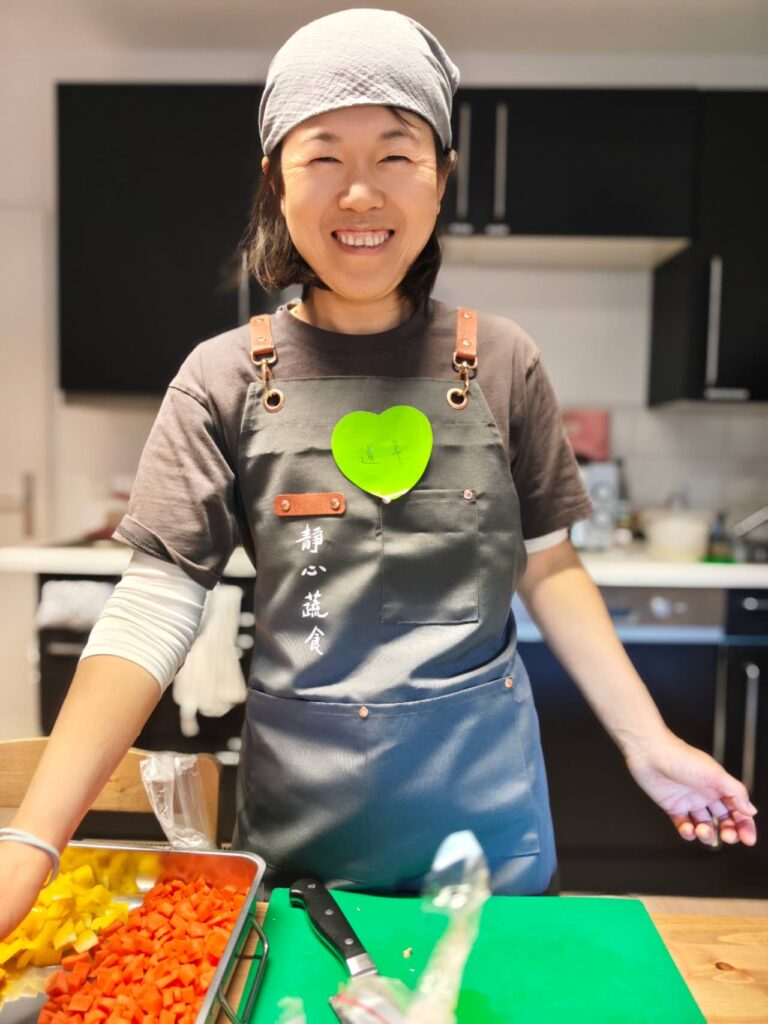
Silent Vegetarian Kitchen
Vegetarianism represents not only an eating habit but is a practice arising from the compassionate mind of Buddhism. Its purpose is to help us abandon the intention to kill and anger. Living as a vegetarian is a healthy lifestyle; from an ecological perspective, it is the only choice to address the environmental crisis.
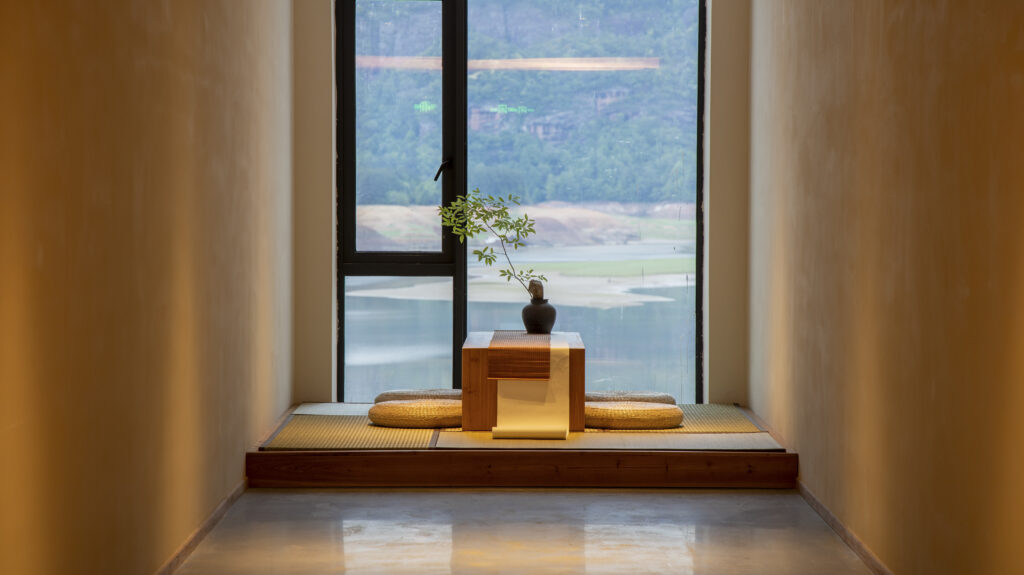
Space Organization
The characteristic of a Zen space is not only to express a certain style but, above all, to convey a corresponding life philosophy and attitude towards life. Leading a simple, orderly life is necessary to harmonize with the Zen space and mutually enrich each other. Simplicity means having few things, otherwise no ease can arise; order means having a regular daily routine and putting objects neatly back in their place. This is the key to designing a Zen life and the core of “letting go”.
The key to letting go is giving up, and spiritual practice is a process of constantly letting go of attachments. As it says in the “Bodhicaryavatara”: “When everything is given up, one is free from suffering, and my mind realizes Nirvana.” Attachment is essentially twofold: attachment to self and attachment to the world, also known as self-grasping and dharma-grasping. When we no longer have any attachment to ourselves and the world, we can attain liberation and progress towards awakening. Practicing with this insight can also be aligned with liberation. Therefore, letting go can both improve the quality of life and promote spiritual practice, purifying body and mind – it is an effective connection of the worldly and Buddhist paths.
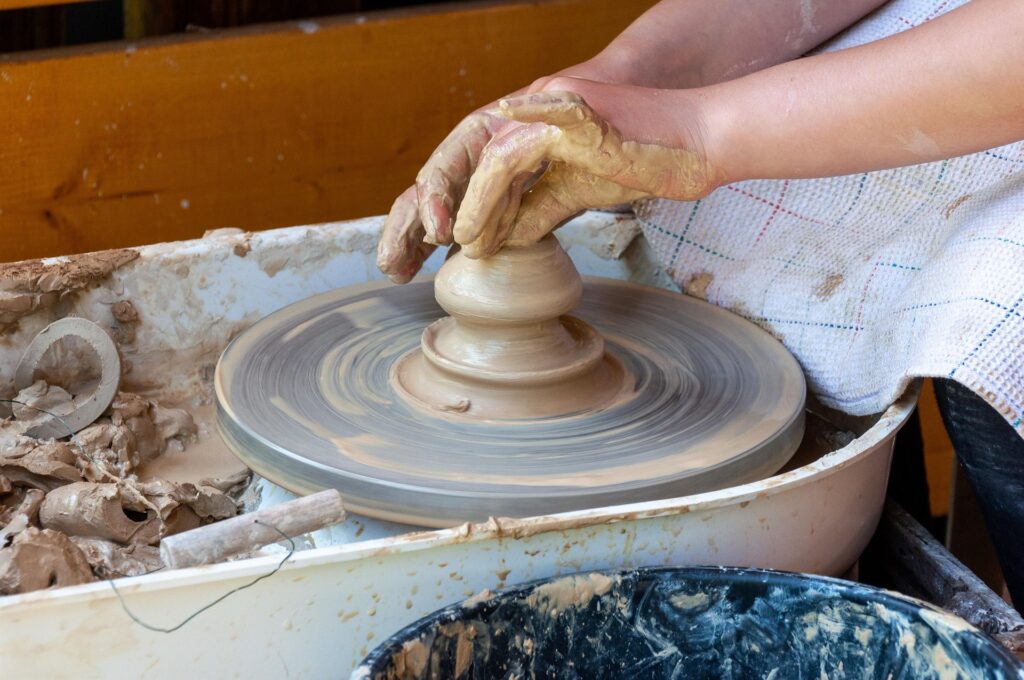
Zen Handicraft
In contemporary art, the aim is to express the artist’s exploration of human nature, the meaning of life, and the truth of the world, asking questions wisely. The wisdom of emptiness expounded in the Dharma and the renunciation of the world it conveys can offer creators a completely new perspective and inspiration. The characteristics of Awakening Art and Zen Design can be summarized in a twelve-character motto: Selflessness, Formlessness, Boundlessness, World-Renunciation, Stillness, Sublimity. Experience the Zen spirit in the practice of handicraft.
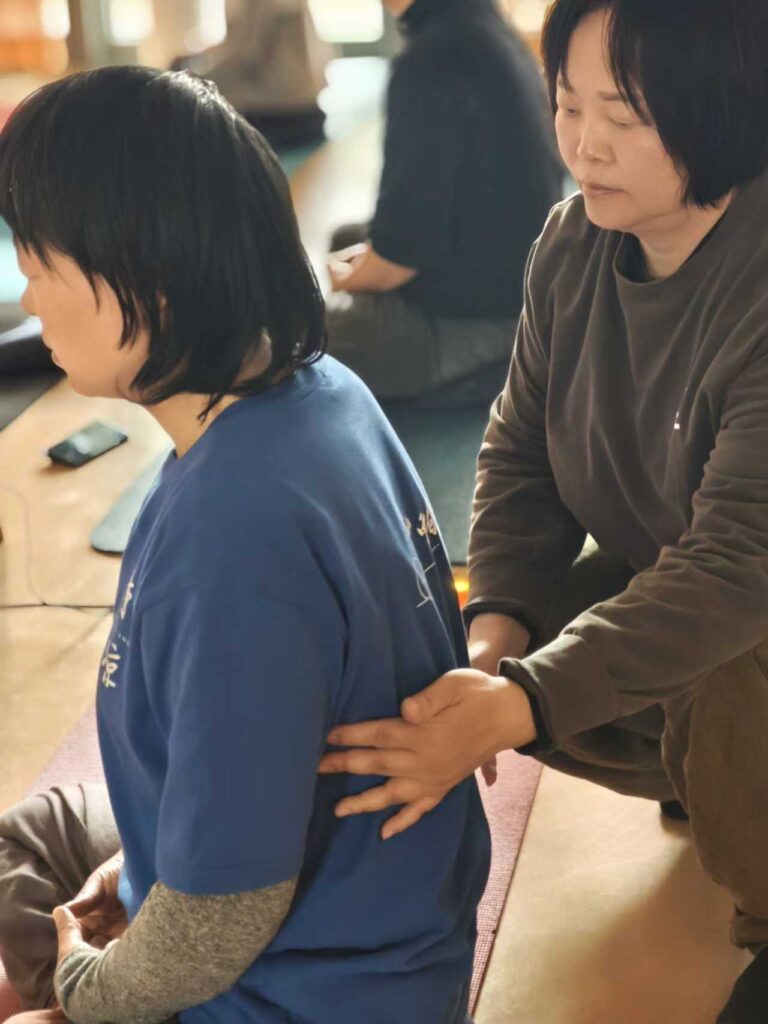
Mindful Acupressure Massage
Everyone needs health of body and mind. “An Dao” is the short form for “Dao Yin An Qiao”. In the “Inner Canon of the Yellow Emperor” (chapter “Various Methods for Various Regions”) it says: “In the central region, the land is flat and damp, the earth gives birth to many creatures. The people eat many kinds of food and do not work hard, therefore they often suffer from exhaustion, cold, and heat. Their treatment should be through guidance and massage; hence guidance and massage also originate from the central region.” By massaging the meridians and acupoints, Qi and blood are harmonized; by guiding emotions and views, the mental state is regulated. An Dao can: Traditional Chinese Medicine for disease prevention, easy to learn, combined with Buddhist practice to cultivate gratitude and compassion.
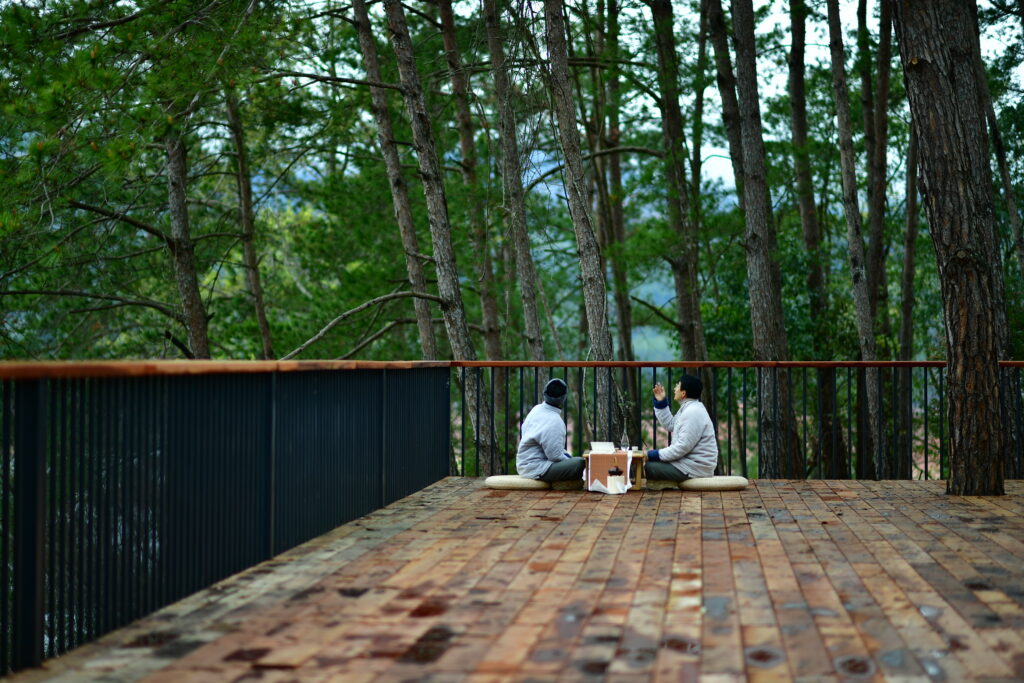
We invite you to linger in the Garden of Silence, sit down and look around. Perhaps in a certain moment, you will discover how the long-missed silence quietly returns within you.
Gardens of Silence near you (map): Germany, Switzerland, Austria, Luxembourg, Greece, and others.